Asian Eyelid Surgery (Double Eyelid Surgery) in San Diego, CA
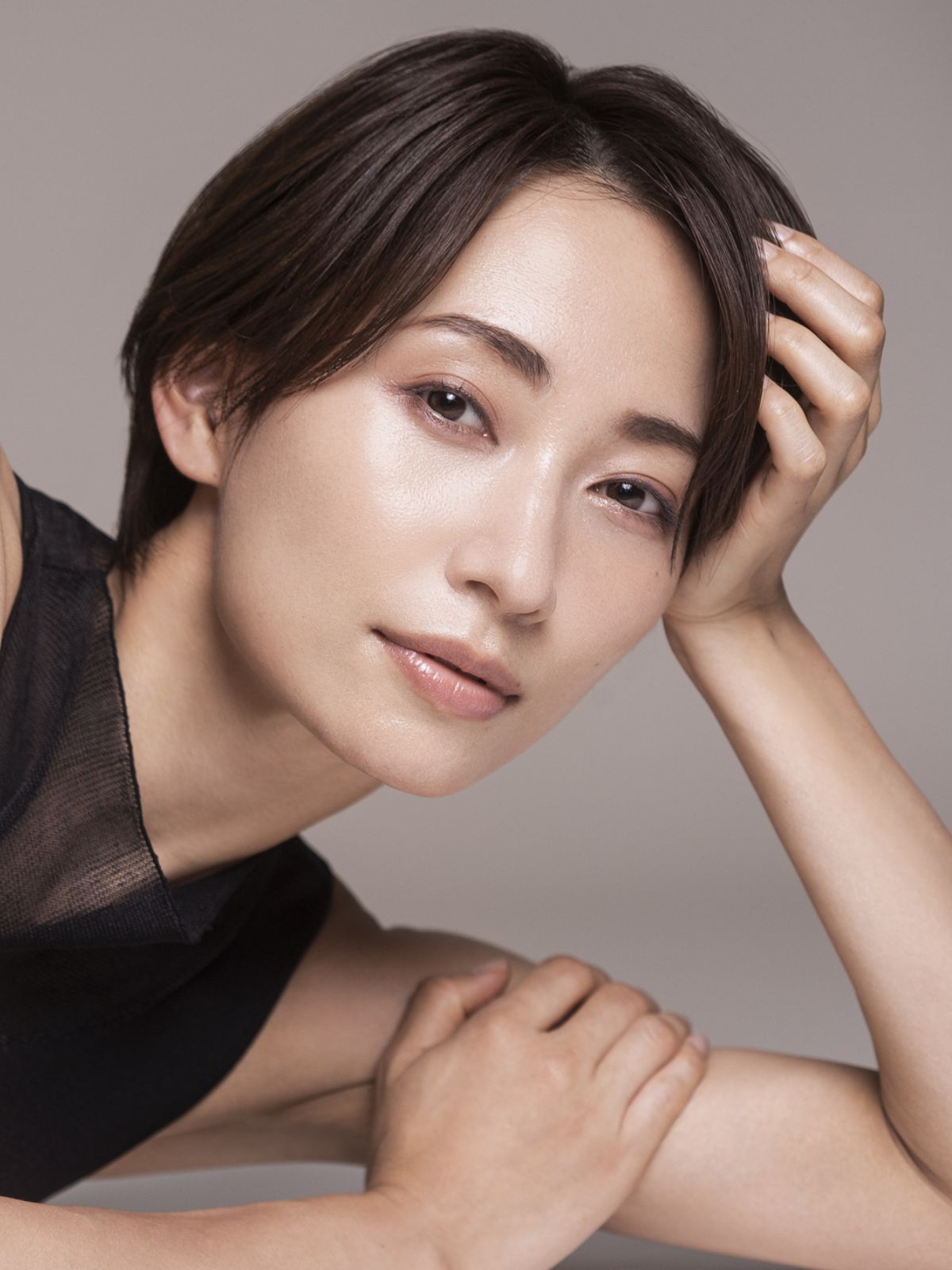
For patients born without a natural crease in the upper eyelid — a common variation in eyelid anatomy among people of Asian descent — Asian eyelid surgery, also called double eyelid surgery, creates a defined upper eyelid fold. Done well, this isn’t about changing what a patient’s eyes are; it’s about creating the crease many patients are hoping for, sized and shaped to fit their own face rather than a standardized look.
Why this anatomy is different
In many Asian eyelids, the levator muscle (which lifts the eyelid) attaches lower to the skin than in a typical Western eyelid, or doesn’t attach to the skin at all — which is why no crease forms, or why one forms unevenly. This isn’t a defect to correct; it’s a structural variation that calls for a different surgical approach than standard blepharoplasty, and for a surgeon who treats it as its own procedure rather than a variation on one.
Two approaches, chosen to fit the patient
Dr. McCoy performs both incisional and non-incisional (suture) double eyelid surgery, choosing between them based on a patient’s specific eyelid anatomy, how permanent and precisely defined a result they want, and how much recovery time they’re able to take. The non-incisional approach generally involves less swelling and a shorter recovery; the incisional approach creates a more permanent, more precisely sculpted crease and can address excess skin or fat at the same time.
What the procedure involves
With the incisional technique, a small incision is placed at the intended crease height, allowing precise removal of excess skin or fat where needed and a durable adhesion between the skin and the underlying levator muscle. With the non-incisional technique, small sutures are placed through tiny openings in the eyelid to create that same adhesion without a continuous incision. Both approaches are designed to create a fold that moves naturally with the eye and is sized specifically to the patient’s face — not a fixed formula.
“My favorite thing about my work is the privilege of being trusted with a patient’s vulnerable side.”
~Dr. Allison McCoy
Setting and anesthesia
This procedure can be performed in-office under local anesthesia, or at an ambulatory surgical center with local anesthesia and conscious sedation, similar to standard upper eyelid surgery.
Recovery
Recovery differs somewhat by technique. The non-incisional (suture) approach generally involves less swelling and a faster return to normal activities. The incisional approach involves a recovery similar to standard upper blepharoplasty — bruising and swelling for the first one to two weeks, with sutures typically removed within the first week.
Am I a candidate?
Good candidates want a defined upper eyelid crease and have realistic expectations about what the surgery does and doesn’t change. A consultation focuses on eyelid anatomy specifically — skin thickness, fat distribution, and the natural crease height and shape that will look most authentic on that patient’s face.
“Great surgery, like great design, is invisible in its effort and outcome.”
~Dr. Allison McCoy

Frequently Asked Questions
Will this make my eyes look “Westernized”?
No — the goal is a natural crease that fits your own features, not a standardized shape. Dr. McCoy designs the crease height and shape around each patient’s own anatomy.
Which technique is right for me — incisional or non-incisional?
Dr. McCoy will recommend one or the other based on your eyelid anatomy, how permanent and defined a result you want, and how much downtime you’re able to take.
How long before the crease looks natural?
Initial swelling can make the crease look higher or more pronounced than the final result; this typically settles over the same one-to-two-week window as standard eyelid surgery recovery.
Is this covered by insurance?
No — this is a cosmetic, self-pay procedure.